Everything you need to protect WordPress content.

Gutenberg-aware block parsing

Analyzes content by correctly separating and reading structured Gutenberg blocks.

Postmeta & options analysis

Scans hidden post metadata and global options for malicious database injections.

Real-time reputation checks

Instantly verifies all external URLs against major threat databases like Safe Browsing and PhishTank.

Obfuscation & cloaking detection

Identifies code or content specifically designed to hide malicious behavior from scanners or users.

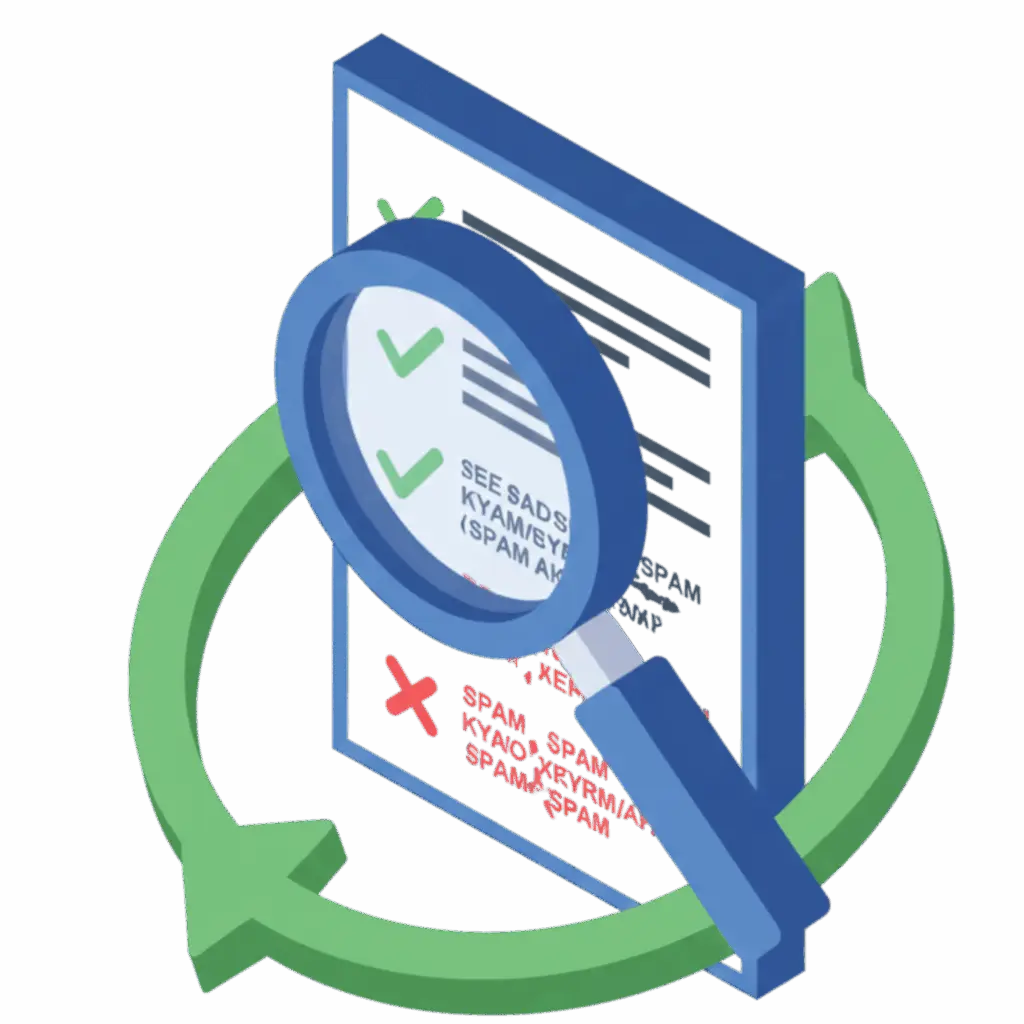
SEO spam pattern matching

Detects manipulative SEO tactics like hidden text, keyword stuffing, and malicious link patterns.

Incremental & scheduled scans

Runs resource-efficient partial scans automatically at scheduled times to monitor recent changes.

Non-destructive quarantine

Safely isolates infected data without deleting it, allowing for user review and precise restoration.

Revision-based rollback

Restores affected database entries to a clean, prior state using historical revisions.

Bulk operations

Allows users to process or clean multiple findings simultaneously, greatly speeding up remediation workflows.

Confidence scoring (0-100)

Rates each finding with a percentage score indicating the likelihood of it being malicious code.

Three-tier severity (Critical/Suspicious/Review)

Classifies all findings into one of three actionable categories: Critical, Suspicious, or Review.

Allow/deny list management

Controls which patterns are either always ignored or always flagged by the scanner based on custom user rules.

Auto-throttling & Safe Mode

Dynamically adjusts scan speed and activates a Safe Mode to prevent resource exhaustion on web hosts.

Chunked batch processing

Breaks large scanning or cleaning tasks into small, manageable batches to prevent timeouts and conserve resources.

Shared hosting optimization

Optimized resource usage specifically for the limits and constraints of shared hosting environments.

Multi-site support (coming soon)

Enables comprehensive scanning and management across all sub-sites within a WordPress Multi-site network.

Action Scheduler integration

Leverages the reliable Action Scheduler to manage and execute all background tasks efficiently.

Email alerts (immediate & digest)

Receives security notifications instantly or in a scheduled summary via email .

Webhook notifications

Sends real-time security alerts and data directly to external services via custom webhooks.

Admin dashboard widget

Displays an immediate, at-a-glance summary of all scanning activity and key security status on the main dashboard.

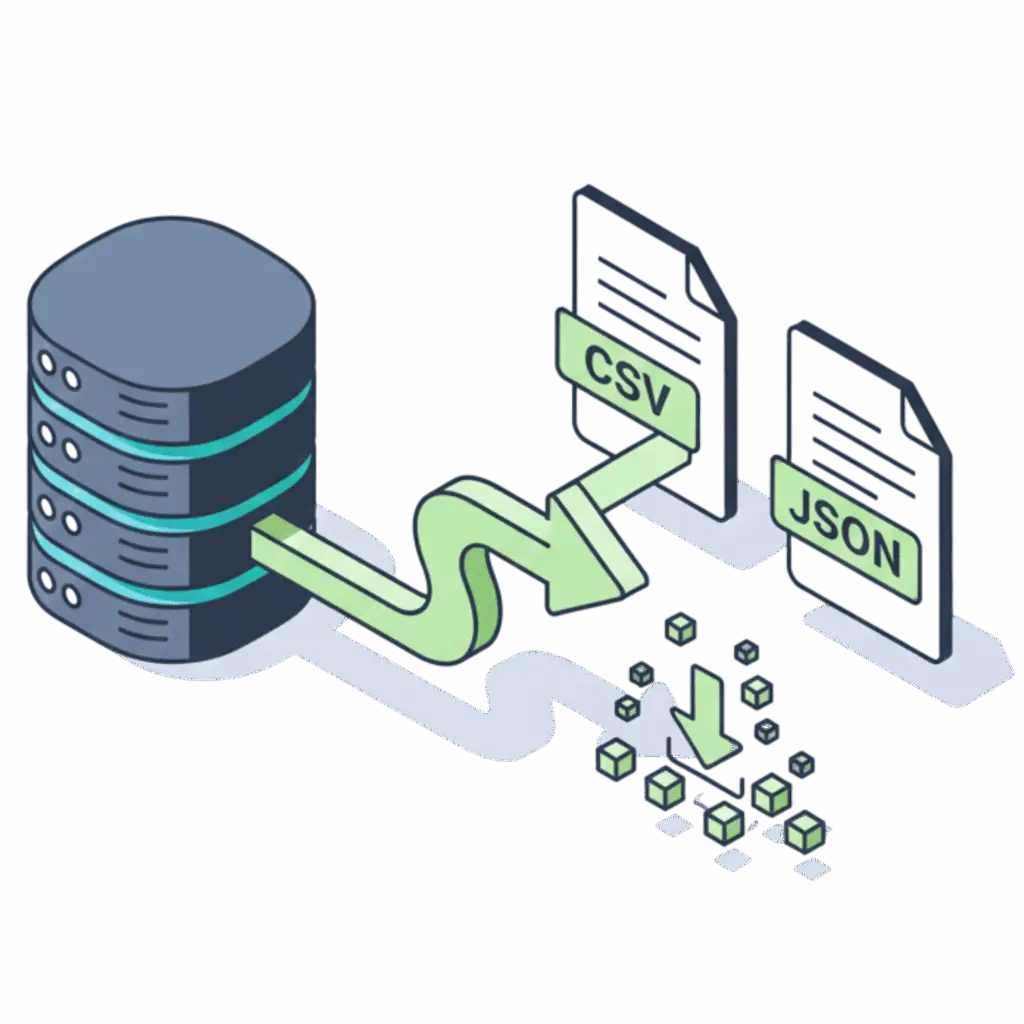
CSV/JSON export

Exports all scan data and findings into standard CSV or JSON formats for external analysis and reporting.

REST API (read-only)

Provides read-only access to all scan results and security findings for easy integration with external systems.

Scan summary reports

Generates comprehensive reports detailing scan results, actions taken, and the overall security status of the site.

Gutenberg-aware block parsing

Analyzes content by correctly separating and reading structured Gutenberg blocks.

Postmeta & options analysis

Scans hidden post metadata and global options for malicious database injections.

Real-time reputation checks

Instantly verifies all external URLs against major threat databases like Safe Browsing and PhishTank.

Obfuscation & cloaking detection

Identifies code or content specifically designed to hide malicious behavior from scanners or users.

SEO spam pattern matching

Detects manipulative SEO tactics like hidden text, keyword stuffing, and malicious link patterns.

Incremental & scheduled scans

Runs resource-efficient partial scans automatically at scheduled times to monitor recent changes.

Non-destructive quarantine

Safely isolates infected data without deleting it, allowing for user review and precise restoration.

Revision-based rollback

Restores affected database entries to a clean, prior state using historical revisions.

Bulk operations

Allows users to process or clean multiple findings simultaneously, greatly speeding up remediation workflows.

Confidence scoring (0-100)

Rates each finding with a percentage score indicating the likelihood of it being malicious code.

Three-tier severity (Critical/Suspicious/Review)

Classifies all findings into one of three actionable categories: Critical, Suspicious, or Review.

Allow/deny list management

Controls which patterns are either always ignored or always flagged by the scanner based on custom user rules.

Auto-throttling & Safe Mode

Dynamically adjusts scan speed and activates a Safe Mode to prevent resource exhaustion on web hosts.

Chunked batch processing

Breaks large scanning or cleaning tasks into small, manageable batches to prevent timeouts and conserve resources.

Shared hosting optimization

Optimized resource usage specifically for the limits and constraints of shared hosting environments.

Multi-site support (coming soon)

Enables comprehensive scanning and management across all sub-sites within a WordPress Multi-site network.

Action Scheduler integration

Leverages the reliable Action Scheduler to manage and execute all background tasks efficiently.

Email alerts (immediate & digest)

Receives security notifications instantly or in a scheduled summary via email .

Webhook notifications

Sends real-time security alerts and data directly to external services via custom webhooks.

Admin dashboard widget

Displays an immediate, at-a-glance summary of all scanning activity and key security status on the main dashboard.

CSV/JSON export

Exports all scan data and findings into standard CSV or JSON formats for external analysis and reporting.

REST API (read-only)

Provides read-only access to all scan results and security findings for easy integration with external systems.

Scan summary reports

Generates comprehensive reports detailing scan results, actions taken, and the overall security status of the site.

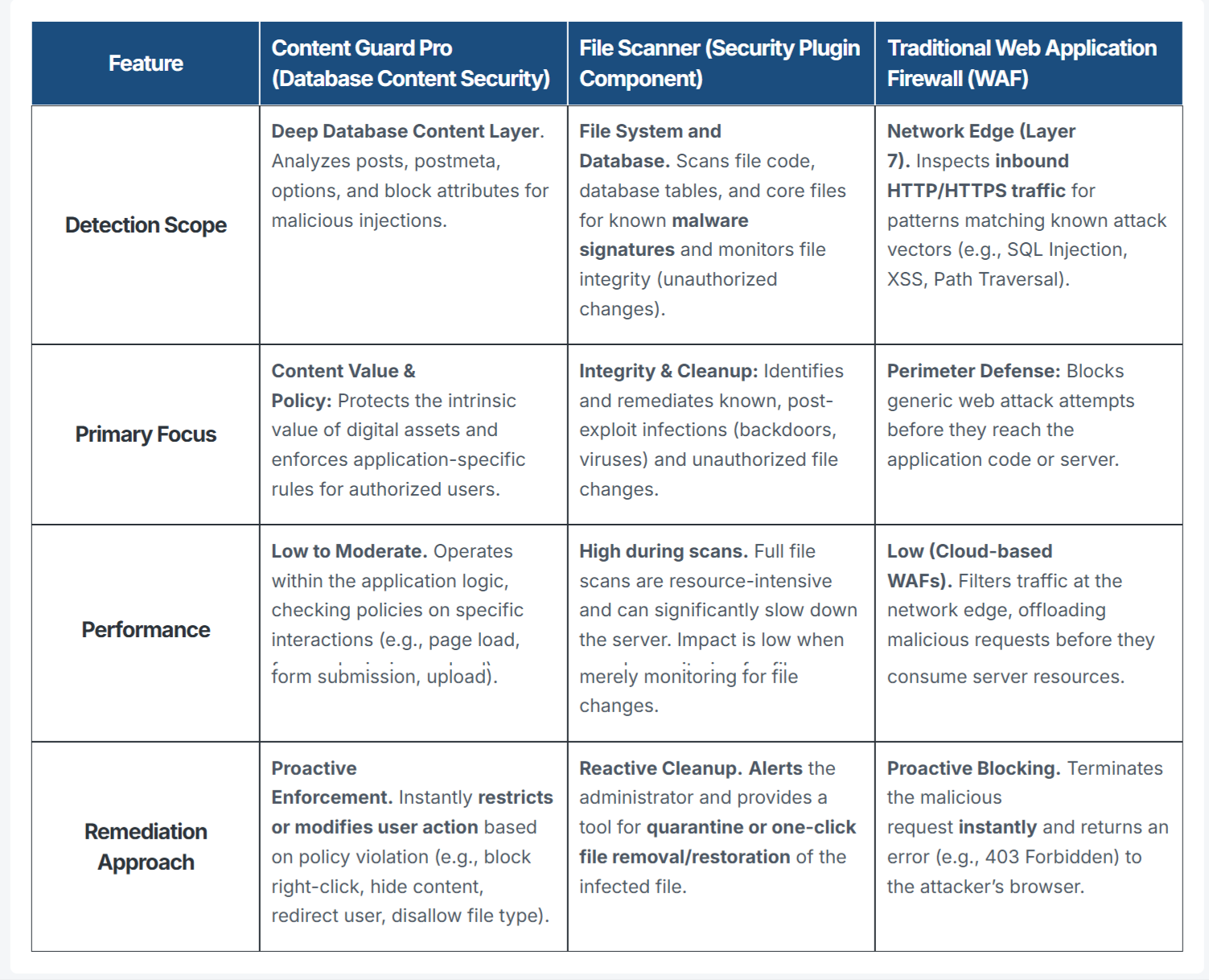
How do we compare to traditional security plugins?

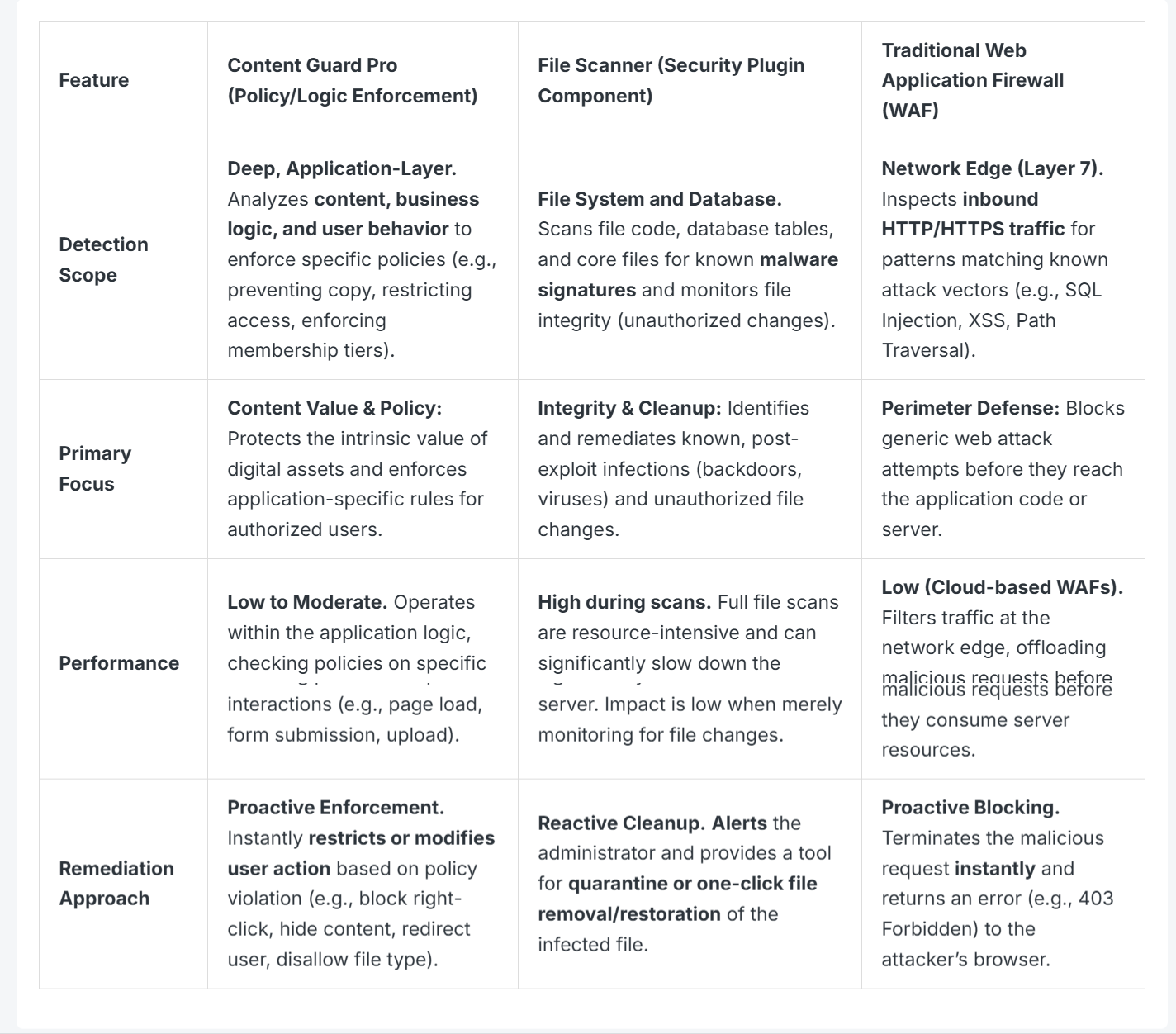
FeatureContent Guard Pro (Database Content Security)File Scanner (Security Plugin Component)Traditional Web Application Firewall (WAF)
Detection ScopeDeep Database Content Layer. Analyzes posts, postmeta, options, and block attributes for malicious injections.File System and Database. Scans file code, database tables, and core files for known malware signatures and monitors file integrity (unauthorized changes).Network Edge (Layer 7). Inspects inbound HTTP/HTTPS traffic for patterns matching known attack vectors (e.g., SQL Injection, XSS, Path Traversal).
Primary FocusContent Value & Policy: Protects the intrinsic value of digital assets and enforces application-specific rules for authorized users.Integrity & Cleanup: Identifies and remediates known, post-exploit infections (backdoors, viruses) and unauthorized file changes.Perimeter Defense: Blocks generic web attack attempts before they reach the application code or server.
PerformanceLow to Moderate. Operates within the application logic, checking policies on specific interactions (e.g., page load, form submission, upload).High during scans. Full file scans are resource-intensive and can significantly slow down the server. Impact is low when merely monitoring for file changes.Low (Cloud-based WAFs). Filters traffic at the network edge, offloading malicious requests before they consume server resources.
Remediation ApproachProactive Enforcement. Instantly restricts or modifies user action based on policy violation (e.g., block right-click, hide content, redirect user, disallow file type).Reactive Cleanup. Alerts the administrator and provides a tool for quarantine or one-click file removal/restoration of the infected file.Proactive Blocking. Terminates the malicious request instantly and returns an error (e.g., 403 Forbidden) to the attacker’s browser.

How do we compare to traditional security plugins?

Feature
Content Guard Pro (Database Content Security)
File Scanner (Security Plugin Component)
Traditional Web Application Firewall (WAF)
Detection Scope

Deep Database Content Layer. Analyzes posts, postmeta, options, and block attributes for malicious injections.

File System and Database. Scans file code, database tables, and core files for known malware signatures and monitors file integrity (unauthorized changes).

Network Edge (Layer 7). Inspects inbound HTTP/HTTPS traffic for patterns matching known attack vectors (e.g., SQL Injection, XSS, Path Traversal).

Primary Focus

Content Value & Policy: Protects the intrinsic value of digital assets and enforces application-specific rules for authorized users.

Integrity & Cleanup: Identifies and remediates known, post-exploit infections (backdoors, viruses) and unauthorized file changes.

Perimeter Defense: Blocks generic web attack attempts before they reach the application code or server.

Performance

Low to Moderate. Operates within the application logic, checking policies on specific interactions (e.g., page load, form submission, upload).

High during scans. Full file scans are resource-intensive and can significantly slow down the server. Impact is low when merely monitoring for file changes.

Low (Cloud-based WAFs). Filters traffic at the network edge, offloading malicious requests before they consume server resources.

Remediation Approach

Proactive Enforcement. Instantly restricts or modifies user action based on policy violation (e.g., block right-click, hide content, redirect user, disallow file type).

Reactive Cleanup. Alerts the administrator and provides a tool for quarantine or one-click file removal/restoration of the infected file.

Proactive Blocking. Terminates the malicious request instantly and returns an error (e.g., 403 Forbidden) to the attacker’s browser.

Ready to try all features?

Scroll to Top